
hello, friends 💖
This week is another departure from the standard weekly planning format, and it’s again about a universal experience: conflict. Merriam-Webster defines conflict as “a difference that prevents agreement.” That pretty obviously happens all the time, right?
Well, yes.
But I grew up pretending conflict didn’t exist. Just ignore the disagreement or the hurt feelings long enough and they’ll go away, right?
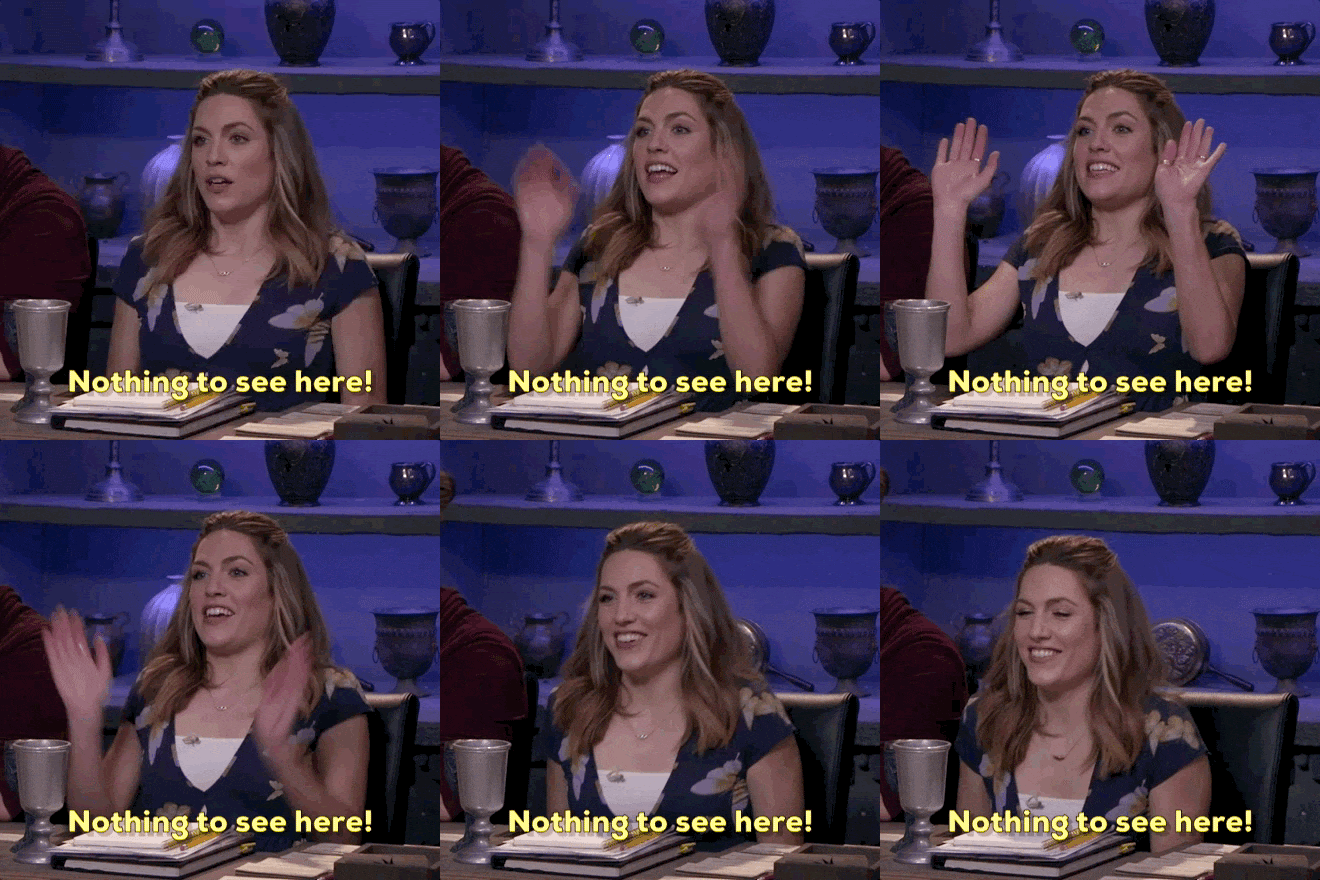
nothing to see here, folks
My go-to move was to walk away from people and situations until I “got over” whatever I was upset about. But you can’t walk away from everything.
Gradually, I realized that conflict wasn’t the problem; my response to it was.
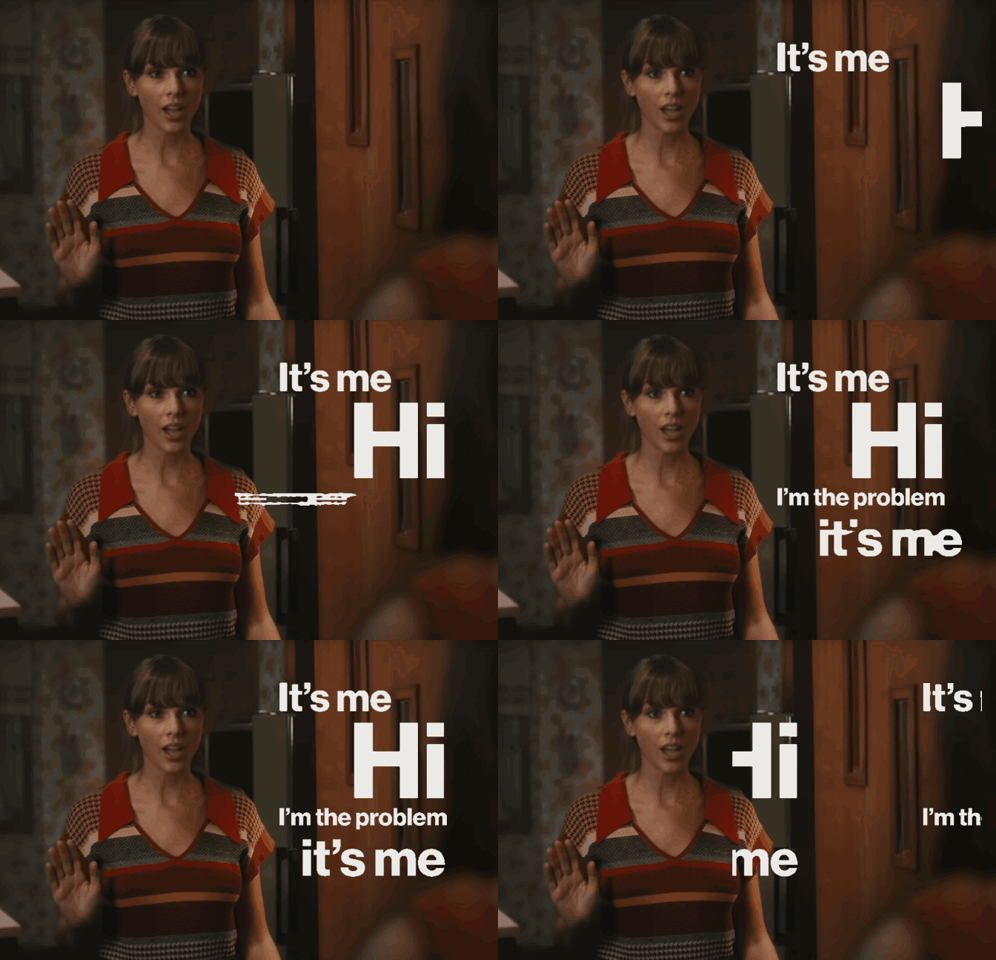
it’s me
Fortunately, I’ve learned a lot in the last few years. I encountered a tricky conflict this week and did a freaking great job finding my way through it. I’ve been basking in the glow of that success for days.
In thinking back through what I did differently this time, I came up with these five steps as a framework for navigating conflict. (I think some people can blast through the first three steps here without appreciating that they’re three different processes, but I am not those people 😅)
Recognize the existence of the conflict. It still takes time for me to even notice that I’m upset and figure out what’s going on there. Are you mad or annoyed or irritated with someone but not sure why? Are you avoiding someone for reasons that aren’t clear to you? Are you numbing your feelings so you don’t have to feel them or distracting yourself so you don’t have to think about a situation? These might indicate that you’re experiencing a conflict.
Regulate your emotions. Take a breath and slow down, if you need to. Observe the feelings that are coming up and let yourself feel them. Yeah, I know, feelings are the worst. But you aren’t going to handle a conflict well if you just go in guns blazing, so give yourself time to ride out the wave of emotion and figure out what’s coming up for you.
Identify the true problem. What are you actually in conflict about? This could be a small, simple thing—I want steak for dinner, you want Mexican food—or it could be huge and potentially relationship-ending. Sometimes something that looks like the former is serving a cover for the latter. (This is where the whole “she divorced me because I left my dishes by the sink” trope comes from.) Are you upset because you’re genuinely just craving tacos and nothing else will scratch that itch, or are you upset because every time we have a difference of opinion, you end up giving in and I always get exactly what I want?
Raise the issue. Friends, this is the “do the hard thing” part of the framework: you (probably) need to talk to the person you’re in conflict with. This step in particular is all about boundaries. I am responsible for managing my emotions and my behavior; you are responsible for managing your emotions and your behavior. That doesn’t mean it’s okay to be intentionally hurtful and then blame the other person for feeling hurt! But it does mean that neither party should be trying to manipulate or shame or guilt the other into doing what they want. Own your feelings, own your choices, and let the other person own theirs. This is so easy to say and so hard to do, I know, but I promise you, it is possible.
Reach a resolution. There are a few ways this could go. Maybe you both compromise a little (steak tacos?). Maybe one of you yields entirely. Maybe you find a way to meet both of your needs well enough (pick up dinner at two separate places and eat together at home?). Whatever solution you come up with is fine … but pay attention to the patterns here. If one party always “wins” and the other always “loses,” is that healthy? Is it sustainable? Note that reaching a resolution might also involve changing the terms or status of the relationship. Conflict is normal, sure, but if the other person isn’t good at navigating conflict and isn’t interested in working on it, you might decide you need to scale back on how much you interact with them.
So, what do you think—did I miss anything? Is there a particular step you want to hear more about? Reach out to let me know!
In the meantime, you’ve got this, friends 💖
Enjoying this newsletter? I’d be so grateful if you could forward it to a friend who might also appreciate it! If you’ve received this as a forward, you can subscribe here.
